Transforming Ontario Homes with Nature-Inspired Architecture

Bringing nature indoors is more than a trend. It’s a thoughtful approach to living that reconnects us with the environment. In Ontario, where the seasons shift dramatically, this connection can transform homes into sanctuaries. I’ve seen how nature-inspired architecture in Ontario can reshape spaces, making them healthier, more inviting, and deeply rooted in their surroundings.
Embracing Nature-Inspired Architecture in Your Home
Nature-inspired architecture means designing with the environment in mind. It’s about using natural materials, maximizing daylight, and creating seamless transitions between indoor and outdoor spaces. This approach respects the local climate and landscape, blending homes into their natural settings.
For example, large windows facing south capture sunlight during cold winters, reducing heating needs. Wood, stone, and other local materials add warmth and texture. Living walls or indoor gardens bring greenery inside, improving air quality and mood.
Practical steps to start include:
Assess your site: Note sun paths, wind directions, and views.
Choose natural materials: Opt for sustainably sourced wood or stone.
Maximize daylight: Use skylights or large windows.
Incorporate plants: Add potted plants or vertical gardens indoors.
These elements work together to create a home that feels alive and connected to its environment.
The Role of Light and Air in Biophilic Spaces
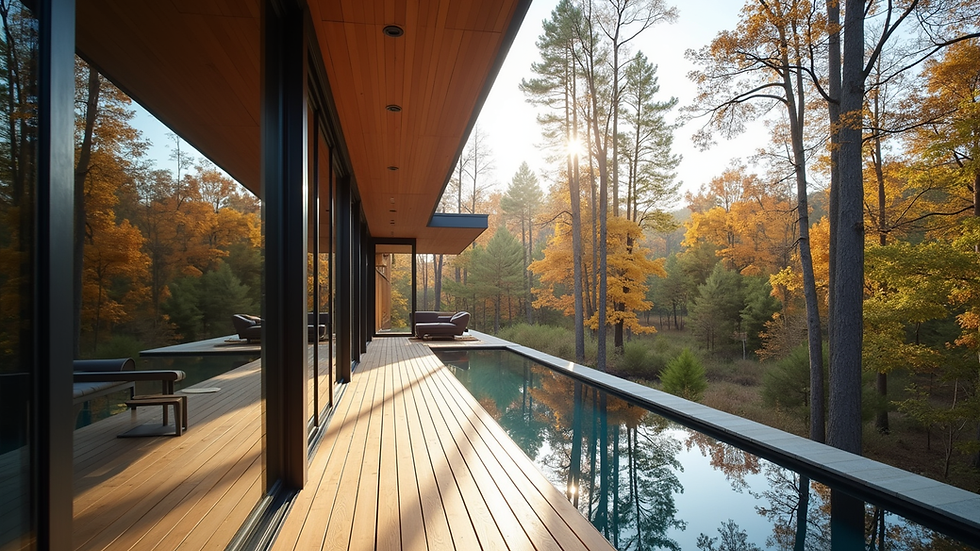
Light and air are vital in nature-inspired design. Natural light energizes rooms and supports well-being. Fresh air circulation keeps spaces healthy and comfortable. In Ontario’s climate, balancing these elements requires thoughtful planning.
Consider installing operable windows that allow cross-ventilation. This simple feature can cool your home naturally in summer and refresh indoor air year-round. Using light shelves or reflective surfaces helps bounce sunlight deeper into rooms, reducing the need for artificial lighting.
Incorporating these features not only enhances comfort but also lowers energy consumption. It’s a win-win for homeowners and the environment.
Integrating Water and Natural Elements
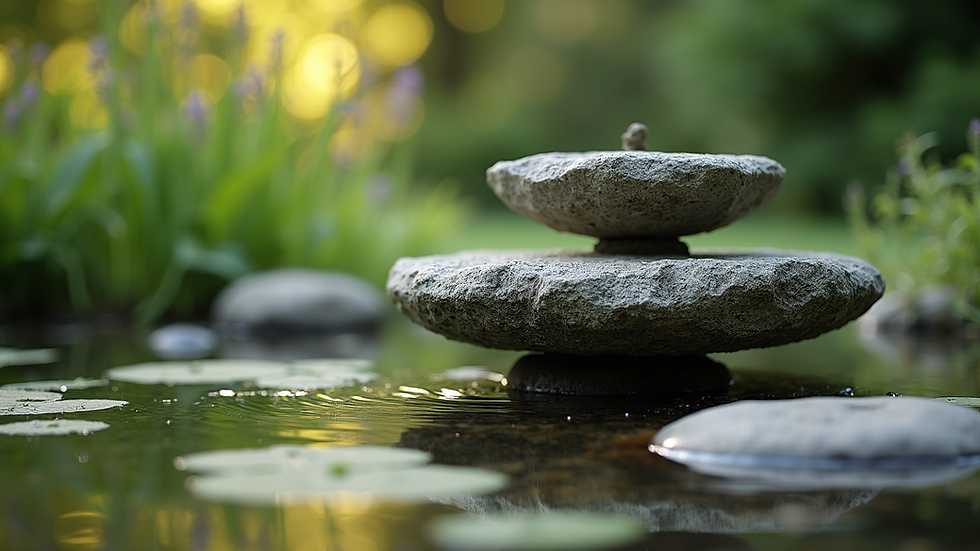
Water is a powerful element in biophilic design. The sound and sight of water calm the mind and create a peaceful atmosphere. In Ontario homes, water features can be both indoor and outdoor.
A small indoor fountain or a fish tank adds movement and sound. Outside, a pond or rain garden can manage stormwater while enhancing the landscape. Using natural stone around these features ties them visually to the home’s architecture.
Other natural elements like wood beams, stone walls, and textured fabrics bring tactile richness. These details invite touch and create a sensory connection to nature.
Practical Tips for Contractors and Small Business Owners
For those building or renovating, integrating biophilic principles means collaboration and planning. Start by consulting with designers familiar with local ecology and climate. They can help select materials and design features that suit Ontario’s environment.
Contractors should focus on:
Sourcing local materials to reduce environmental impact.
Ensuring proper insulation and ventilation to maintain comfort.
Incorporating energy-efficient windows and doors.
Planning outdoor spaces that connect naturally with the home.
Small business owners can apply these ideas in office spaces too. Adding plants, natural light, and views of greenery improves employee well-being and productivity.
Bringing It All Together: A Vision for Grounded Living
Transforming homes with nature-inspired architecture in Ontario is about more than aesthetics. It’s about creating spaces that nurture and sustain. By embracing biophilic design, we build homes that respond to the seasons, respect the land, and support our health.
If you want to explore how biophilic design can shape your next project, start with a clear vision. Think about how nature moves through your space and relates to your lifestyle. Consider light, air, water, and materials as partners in your design.
This approach grounds your home in its place and time. It creates a living environment that feels both timeless and deeply personal. The result is a home that welcomes you every day with the quiet strength of nature.
This journey toward nature-inspired living is ongoing. Each choice, from window placement to plant selection, adds a layer of connection. It’s a path worth taking for anyone who values harmony between home and earth.


Comments