Key Elements of Nature-Inspired Architecture in Ontario

When I think about designing spaces that feel alive, I turn to nature. Nature-inspired architecture brings the outdoors inside, creating environments that soothe and energize. In Ontario, where the seasons shift dramatically, this approach offers a way to connect with the landscape year-round. It’s more than aesthetics; it’s about crafting spaces that breathe with the rhythms of nature.
Embracing Natural Light and Views
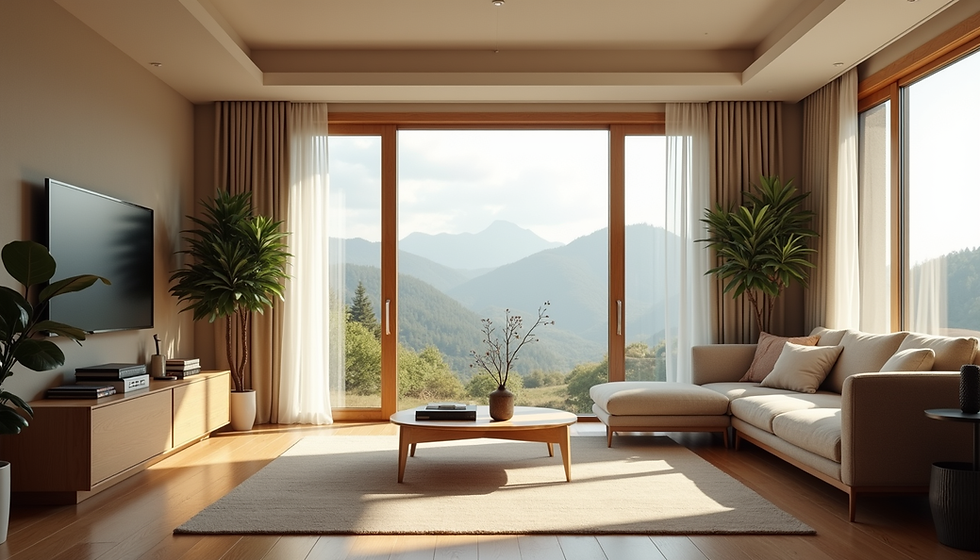
One of the simplest yet most powerful elements of nature-inspired architecture is the use of natural light. Large windows, skylights, and glass doors invite sunlight to flood interiors. This not only reduces the need for artificial lighting but also creates a dynamic atmosphere that changes with the day.
In Ontario, where winters can be long and gray, maximizing daylight is essential. Positioning windows to capture southern exposure helps warm interiors naturally. Views of trees, water, or gardens extend the sense of space and bring a calming presence indoors.
Practical tips:
Use double or triple-glazed windows to maintain energy efficiency.
Incorporate window seats or reading nooks to encourage lingering in sunlit spots.
Frame views intentionally, focusing on natural elements like mature trees or a backyard pond.

Integrating Natural Materials and Textures
Wood, stone, and other natural materials ground a space in its environment. They add warmth and texture that synthetic materials often lack. In Ontario, local timber and stone are abundant and sustainable choices that reflect the region’s character.
I often recommend exposed wooden beams, stone accent walls, or reclaimed wood flooring. These elements create a tactile connection to nature. They also age gracefully, developing a patina that tells a story over time.
Actionable ideas:
Choose FSC-certified wood to support sustainable forestry.
Use stone sourced from local quarries for authenticity.
Mix textures like rough stone with smooth wood to add depth.

Incorporating Living Greenery and Water Features
Plants and water bring life into any space. They improve air quality, reduce stress, and create a sensory experience. Indoor gardens, green walls, and water features are key components of nature-inspired architecture.
In Ontario’s climate, where outdoor greenery retreats in winter, indoor plants maintain a year-round connection to nature. Water features like small fountains or reflecting pools add gentle soundscapes that soothe the mind.
Suggestions for implementation:
Create a dedicated indoor garden with plants that thrive indoors.
Install a green wall in a common area to serve as a living artwork.
Use a small indoor fountain to introduce the calming sound of flowing water.
Designing for Seasonal Changes and Climate Adaptation
Nature-inspired architecture in Ontario must respond to the changing seasons. This means designing spaces that adapt to cold winters, warm summers, and everything in between.
Thermal mass materials like concrete or stone absorb heat during the day and release it at night, helping regulate indoor temperatures. Overhangs and shading devices block harsh summer sun but allow winter light to enter. Ventilation strategies promote fresh air circulation without losing heat.
Key design strategies:
Use operable windows to encourage natural ventilation in summer.
Design outdoor spaces that transition smoothly with the seasons, such as covered patios or sunrooms.
Creating a Sense of Place with Local Flora and Fauna
A truly nature-inspired space reflects its surroundings. In Ontario, this means drawing on the native plants, animals, and landscapes that define the region.
Landscaping with native species supports local ecosystems and reduces maintenance. Bird-friendly design elements like feeders or nesting boxes invite wildlife closer. Using colours and patterns inspired by the natural environment ties interiors and exteriors together.
How to apply this:
Select native trees like maple or white pine for landscaping.
Incorporate natural motifs in textiles and finishes.
Design outdoor lighting that minimizes disruption to nocturnal wildlife.
Bringing It All Together
Nature-inspired architecture is a journey, not a checklist. It requires thoughtful integration of light, materials, greenery, climate responsiveness, and local character. When done well, it creates spaces that feel alive and welcoming.
If you want to explore how biophilic design in Ontario can transform your home or business, start by observing your surroundings. Notice the light patterns, textures, and natural rhythms. Then, bring those elements inside with intention.
This approach not only enhances beauty and comfort but also fosters a deeper connection to the land we live on. It’s a way to build not just structures, but experiences that nurture body and soul.
Designing Spaces That Feel Like Home
Ultimately, nature-inspired architecture is about creating spaces where people feel grounded. It’s about blending function with beauty, and the built environment with the natural world. Whether you’re renovating a cozy home or planning a small business space, these principles offer a path to something more meaningful.
By embracing the key elements of nature-inspired design, you can craft environments that support wellbeing and celebrate the unique character of Ontario’s landscape. It’s a design philosophy that invites us to live in harmony with nature, every day.


Comments